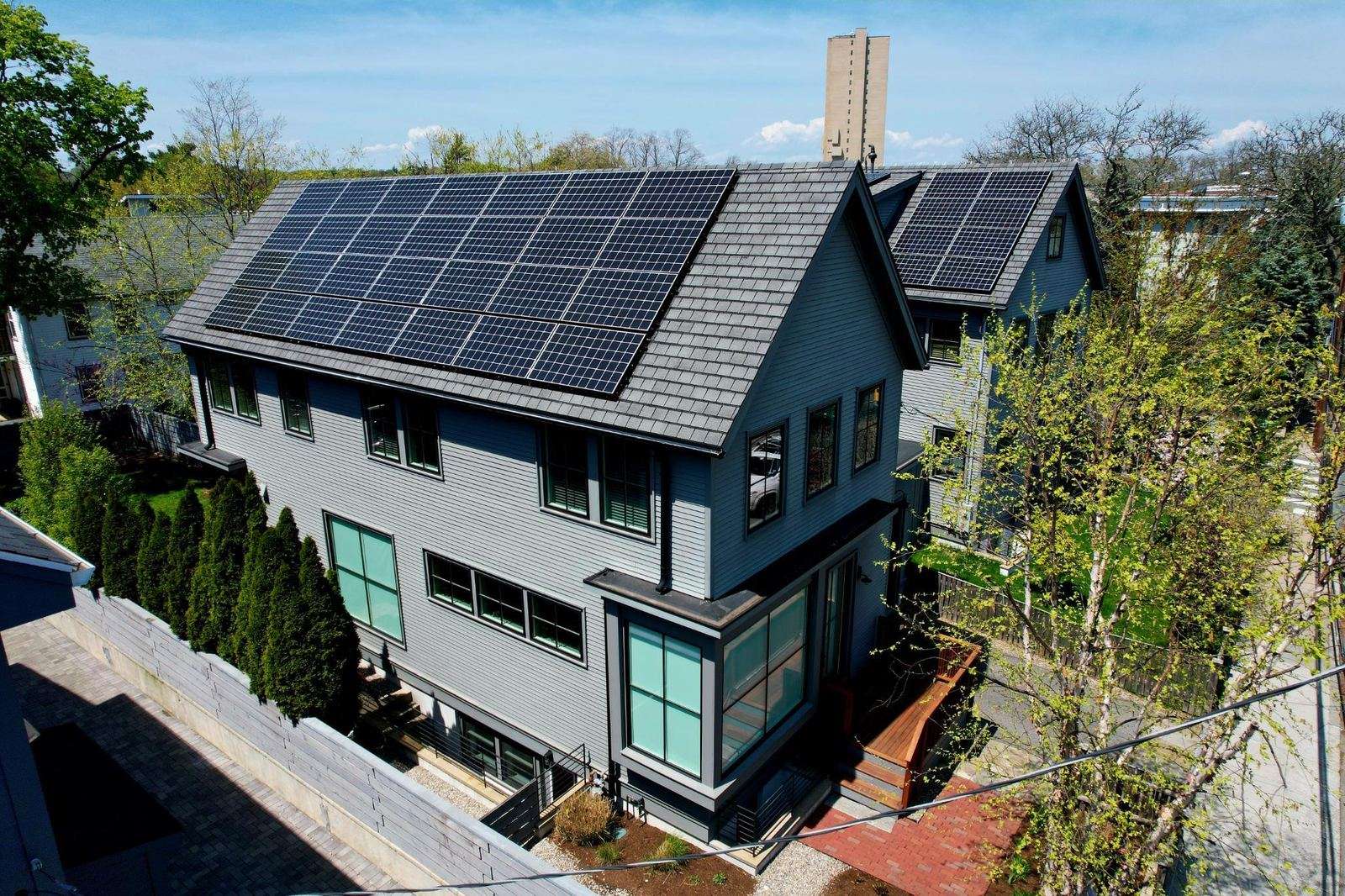
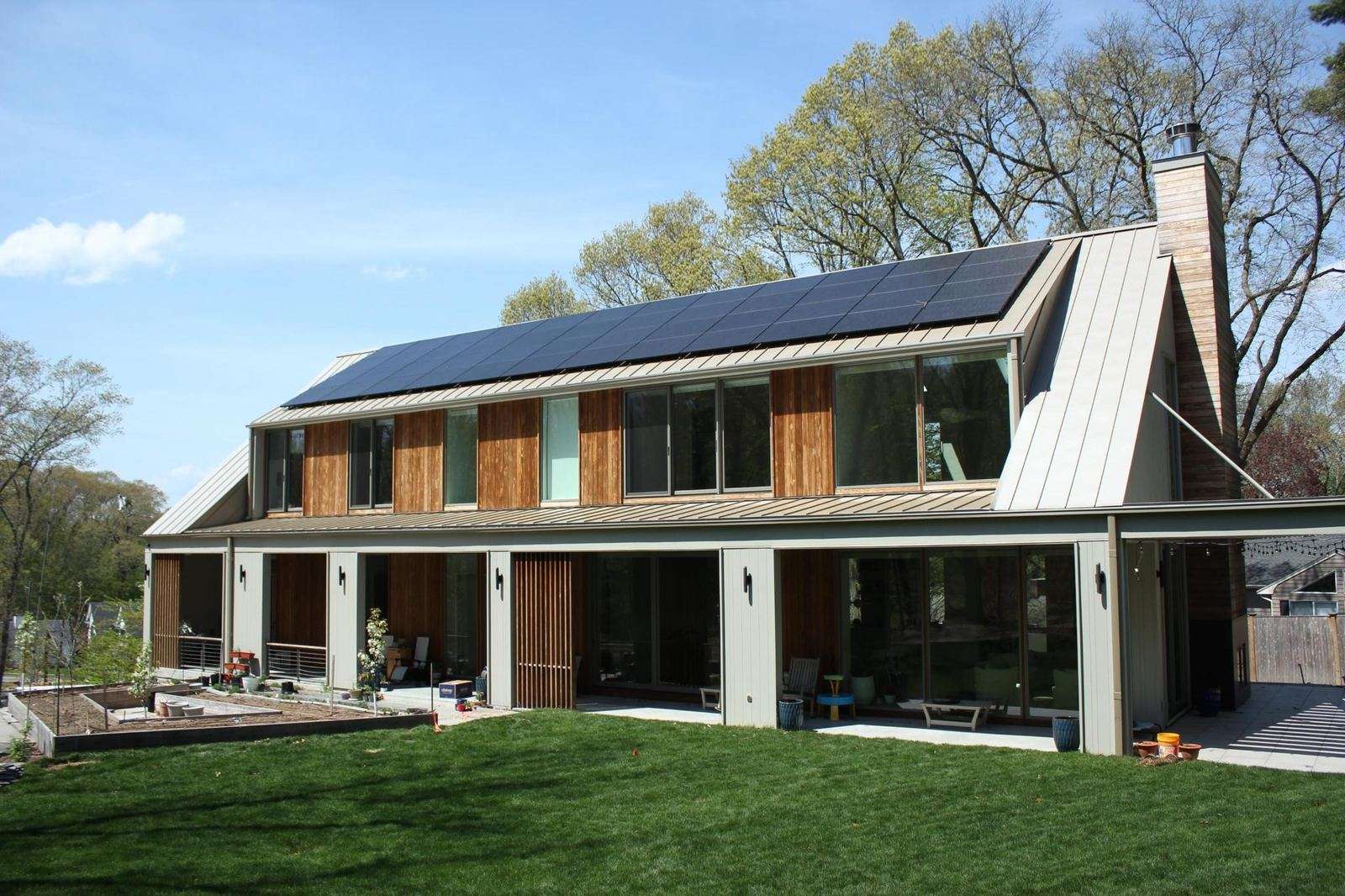
Snow, short days, and gray skies — here's how solar really performs from Rockford to Carbondale.
Cold is good for panels
Solar panels convert light, not heat, into electricity. In fact, panels are more efficient at cooler temperatures. Bright, cold winter days can be surprisingly productive.
What about snow?
Snow on panels temporarily blocks production, but panels are dark, smooth, and tilted, so snow usually slides off within a day or two of sun. We don't recommend climbing on your roof to clear panels — the production you'd gain rarely justifies the risk.
It's about annual production
Illinois systems produce the most from late spring through early fall. Because Illinois net metering credits roll forward, strong summer production helps offset lower winter months.